
PERSONAL
TRAINING

THUMP Boxing Australia 2021
Boxing for Fitness Instructor Level 1
Advanced Boxing Instructor
THUMP Boxing Australia 2022
Super KickBOX Instructor

Australian Institute of Fitness 2020-2021
Provision of First Aid, CPR
Certificate III Fitness Coach
Certificate IV Personal Trainer
Master Trainer Level 1
PERSONAL TRAINING ENERGISING
LIVES
1. Warm-up (aerobics and mobility exercises)
2. Free Weights (dumbbells, kettlebells, medicine ball)
3. Padwork (boxing and kickboxing)
4. Partner Techniques (boxing and kickboxing)
5. Cool-down (bodyweight exercises)
getting started
Personal Equipment Required:
1. Sturdy sport shoes and comfortable clothing for exercise.
2. Boxing gloves or MMA fingerless gloves.
3. 1x thick exercise mat.
4. Water bottle and towel.
Training Cost:
$120 = 2 x 60-minute sessions {paid in advance}
24-hour notice required via text for any cancellation or change of session times to keep credit.
Training Location:
Sydney Park Cycling Centre
410 Sydney Park Road, Alexandria NSW 2015
– short walk from St. Peters station
– parking available
Health and Safety:
Please advise the trainer if you have any illness, injury, physical pain, or discomfort prior to commencing training. If you are unsure about your ability to exercise safely, please consult your doctor or healthcare professional.
PURPOSE OF A
WARM-UP
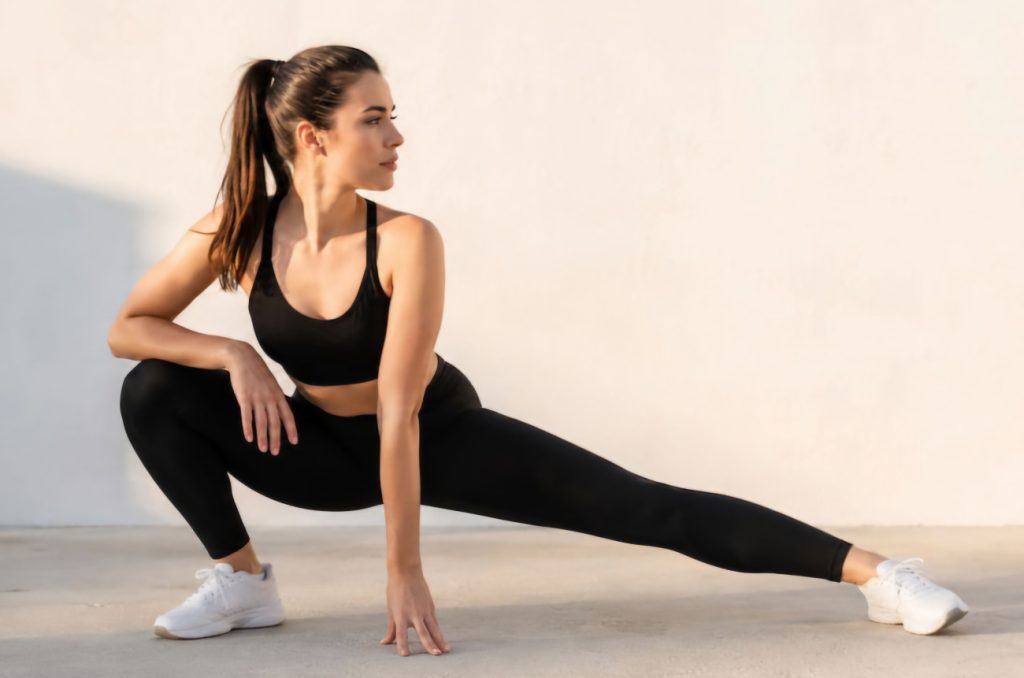
Warming up raises the core temperature, which helps to activate enzymes involved in muscle metabolism, making them function more efficiently.
Warm-ups increase blood flow to muscles, delivering more oxygen and nutrients necessary for energy production.
Increased temperature makes muscles and tendons more elastic, improving range of motion and reducing the risk of injury.
A warmer muscle has faster nerve conduction, allowing for quicker reflexes and more precise movements.
benfits of
free weights excercise
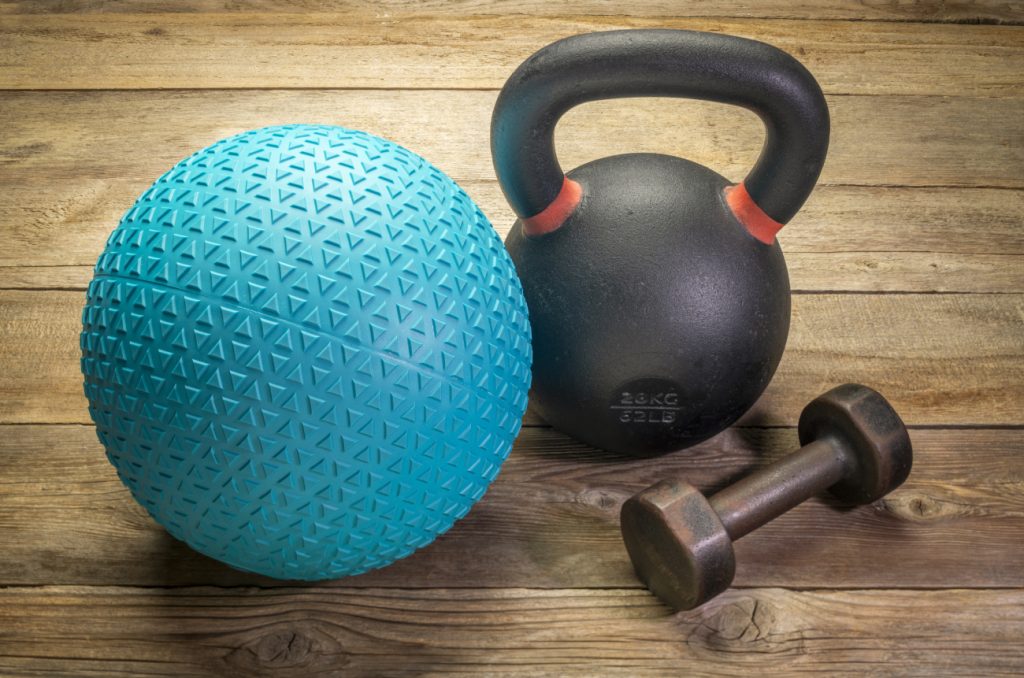
Free weights training—which includes using dumbbells, barbells, kettlebells, and medicine balls—offers a highly adaptable and efficient way to build strength, improve health, and enhance daily physical performance. Unlike fixed gym machines that lock your body into a single track, free weights allow you to move naturally across all planes of motion.
Because free weights are not fixed to a track, your body must work harder to balance and control the load. This recruits stabilising muscles (such as your core, glutes, and smaller joint-supporting muscles) alongside the primary muscles you are targeting. For example, a dumbbell chest press requires both sides of your body to work independently, naturally exposing, and correcting strength imbalances.
Free-weight exercises frequently rely on compound movements—like squats, deadlifts, and overhead presses—that train multiple joints and muscle groups simultaneously. This directly mimics how your body operates outside the gym. Training these natural movement patterns builds usable strength that makes daily activities—like carrying heavy groceries, bending down, or lifting boxes—much easier
Gym machines limit your movement to a predetermined path. Free weights allow your joints to move through their natural, full range of motion. This flexibility helps keep your joints moving smoothly, strengthens the surrounding ligaments and tendons, and supports long-term joint longevity.
Because free weights require you to balance the load, they recruit more overall muscle mass during a single movement compared to a machine. This extra muscular demand burns more calories during the workout. Additionally, building lean muscle mass elevates your resting metabolic rate, meaning your body continues to burn extra calories even hours or days after your training session ends.
Free weights are incredibly space-efficient and cost-effective compared to large gym machines, making them the ideal choice for home setups. A single set of adjustable dumbbells allows you to perform hundreds of different exercises targeting every major muscle group in the body.
BENEFITS OF FOCUS PAD
TRAINING

Focus pad training, or mitt work in boxing, is a valuable technique for improving accuracy, timing, and technique. It allows boxers to practice punches and combinations in a controlled environment, refining their skills and developing muscle memory without the risks of sparring. It also helps develop hand-eye coordination and reflexes.
Benefits of Focus Pad Training Includes a variety of physical and mental skills.
Focus pads provide a static target, allowing boxers to focus on precise punches and combinations, refining their timing and accuracy.
Training with focus pads helps boxers develop and refine their punching technique, including footwork, stance, and proper punching mechanics.
The constant practice of aiming punches at a target improves hand-eye coordination, a crucial skill for boxing and other combat sports.
Focus pad drills can be designed to improve punching speed and reaction times, helping boxers become more agile and responsive in the ring.
Focus pads offer a realistic training environment, simulating the experience of fighting without the risk of injury from sparring.
Repeated practice on focus pads helps build muscle memory, allowing boxers to perform punches and combinations more instinctively and effectively.
Select focus pads that are appropriate for your level of experience and training goals.
Prioritize proper technique and mechanics over speed and power in initial training sessions.
Work on a variety of punches and combinations to build a well-rounded repertoire.
Include footwork and movement drills while working with focus pads to enhance agility and coordination.
Focus pad training requires consistent practice and patience to see improvements.
In essence, focus pad training is a powerful tool for boxers to refine their skills, build muscle memory, and improve their overall performance in the ring.
BENEFITS OF PARTNER KICKBOXING
TRAINING

Partner kickboxing training offers numerous advantages, including improved coordination, timing, and control. It also fosters communication, trust, and problem-solving skills, while also enhancing mental focus and adaptability. Partner drills allow for a more dynamic and engaging training experience, promoting a greater understanding of techniques and the ability to adapt to different situations.
Here’s a more detailed look at the benefits:
Skill
Enhancement:
Psychological
Benefits:
Physical
Benefits:
Social
Benefits:
BENEFITS OF MUAY THAI PAD
TRAINING

Muay Thai pad work training, both for the striker and the pad holder, offers significant benefits rooted in physical and psychological science. For the striker, it’s about building strength, power, and technique, while for the pad holder, it’s about refining defensive skills and enhancing endurance.
Partner drills help synchronize movements and improve the timing of attack and defence, leading to more effective combinations and reactions.
Practicing techniques with a partner allows for refining control and precision, ensuring accurate execution and minimizing wasted energy.
Partner drills require constant attention and quick thinking, enhancing focus and the ability to adapt to changing situations in a fight.
Partner drills often present unexpected challenges that require problem-solving and quick adaptation, mirroring real-world scenarios.
For the
Striker:
Pad work allows fighters to train with controlled resistance, building strength and power in their strikes.
Consistent practice with pads helps to refine techniques, improve accuracy, and develop muscle memory.
The intensity of pad work can be adjusted to improve cardiovascular fitness and muscular endurance.
Focusing on the demands of pad work can enhance mental focus, reaction time, and decision-making under pressure.
Successfully executing techniques on pads builds confidence and a sense of accomplishment.
For the pad
holder:
Holding pads helps pad holders practice anticipating strikes, improving their reflexes, and timing.
Holding pads requires significant physical effort, enhancing muscular endurance and resistance.
Pad work requires constant attention and concentration, improving mental focus and ability to withstand pressure.
Holding pads allows pad holders to closely observe the fighter's techniques and identify areas for improvement.
Scientific
principles:
The repeated impact of strikes against pads can cause microfractures in the bone, which the body then repairs by laying down new bone tissue, making the bone denser and stronger.
Repeated strikes can desensitize the nerves in the shins, reducing pain during impact.
Strength training (including pad work) builds the force a fighter can produce, allowing them to accelerate their movements faster.
Repeated practice of techniques on pads helps develop muscle memory, allowing for more efficient and natural execution of strikes.
Pad work can improve mental focus, reaction time, and decision-making under pressure, leading to increased confidence and resilience.
Skill
Enhancement:
Partner drills help synchronize movements and improve the timing of attack and defence, leading to more effective combinations and reactions.
Practicing techniques with a partner allows for refining control and precision, ensuring accurate execution and minimizing wasted energy.
Partner drills require constant attention and quick thinking, enhancing focus and the ability to adapt to changing situations in a fight.
Partner drills often present unexpected challenges that require problem-solving and quick adaptation, mirroring real-world scenarios.
Physical
Benefits:
Partner training can boost confidence by providing a safe space to experiment and improve techniques, while also fostering a sense of accomplishment.
The physical exertion and mental focus involved in kickboxing can help relieve stress and improve overall mental well-being.
Training with a partner can provide mutual motivation and support, encouraging each other to push through challenging workouts.
Social
Benefits:
Partner training can boost confidence by providing a safe space to experiment and improve techniques, while also fostering a sense of accomplishment.
The physical exertion and mental focus involved in kickboxing can help relieve stress and improve overall mental well-being.
Training with a partner can provide mutual motivation and support, encouraging each other to push through challenging workouts.
PURPOSE OF A COOL
DOWN
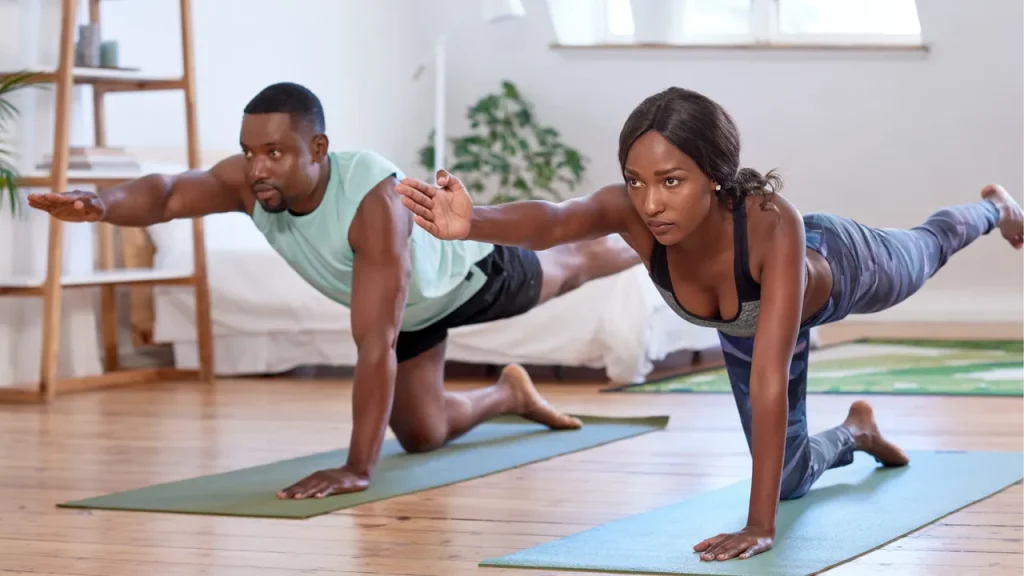
Cool-down exercises are important after physical activity to gradually return the body to a resting state, preventing potential injury and promoting recovery. They help lower heart rate, blood pressure, and respiratory rate, allowing the cardiovascular system to adjust to the reduced intensity of exercise. Additionally, cool-down exercises can aid in the removal of waste products like lactic acid, reduce muscle soreness, and improve overall recovery.
Here’s a more detailed look at the science behind cool-down exercises:
Physiological
Regulation:
Cool-down exercises, like light walking or jogging, help gradually lower heart rate and blood pressure, preventing potential dizziness or fainting that can occur when abruptly stopping intense activity.
They also allow the respiratory rate to return to normal levels, reducing the feeling of shortness of breath and fatigue.
Cooling down helps reduce muscle temperature, which is important for preventing muscle stiffness and cramps.
Waste
Management:
Cool-down exercises, particularly stretching, can help clear lactic acid from muscles, reducing muscle soreness and stiffness.
The slow, controlled movement of the cool-down helps to remove carbon dioxide and other waste products from the muscles, aiding in recovery.
Muscle
Recovery:
Cool-down exercises, including static stretches, can increase blood flow to the muscles, delivering nutrients and oxygen for repair and reducing muscle soreness.
The gentle movement of the cool-down can help reduce inflammation in the muscles, further promoting recovery.
Injury
Prevnetion:
Cool-down exercises, especially static stretches, can help prevent muscle imbalances and tightness, which can lead to injury.
Regularly stretching during the cool-down can improve flexibility and range of motion, reducing the risk of injuries.
Psychological
Benefits:
Cool-down exercises can help to reduce stress and promote relaxation, which is important for overall well-being.
The gentle movement and stretching during the cool-down can have a positive impact on mood and reduce feelings of fatigue.
Cool-down exercises are a crucial component of exercise routines, providing physiological, metabolic, and psychological benefits that contribute to optimal recovery and injury prevention. By gradually returning the body to its resting state, cool-downs allow for a smoother transition from exercise to rest, minimizing the risk of adverse effects and promoting long-term fitness success.
